
Understanding the Common Causes of Knee Pain
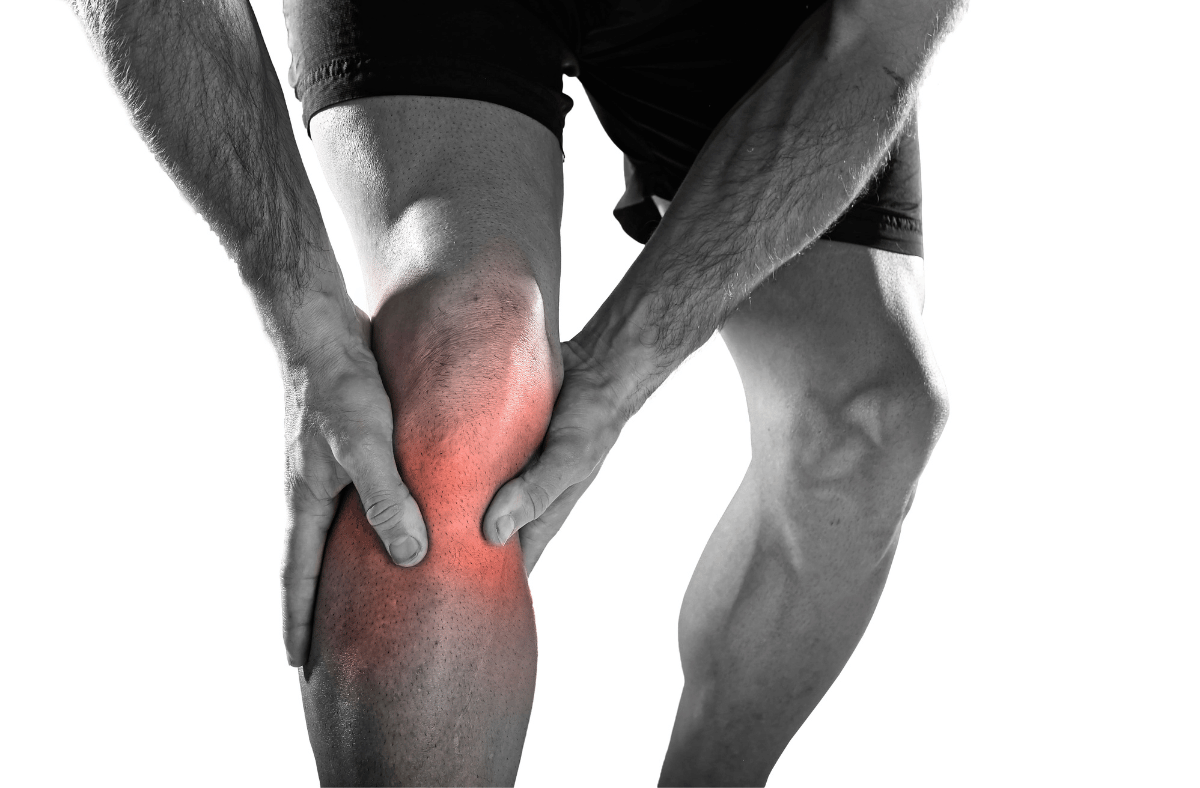
Knee pain is one of the most common reasons people seek help from a physical therapist. Whether you are an athlete, a busy parent, or simply getting older, knee discomfort can limit your daily activities and make life frustrating. At New Moon Physiotherapy in Baltimore, we specialize in effective knee pain treatment designed to help you move comfortably and confidently. If knee pain is holding you back, call us today at (443) 653-2904 to schedule your appointment.
Why Knee Pain Happens
The knee is a strong but complex joint. It connects the thigh bone, shin bone, and kneecap and is supported by muscles, tendons, and ligaments. Because we use our knees for walking, bending, climbing, and lifting, they experience constant pressure. When something goes wrong in this system, pain can occur.
Understanding the cause of your discomfort is the first step toward the right knee pain treatment. Below are some of the most common reasons people develop knee pain.
1. Overuse or Repetitive Strain
Many people experience knee pain from simply doing too much. Activities like running, jumping, or even long walks can strain the knee joint over time. This is especially common in athletes or people who suddenly increase their activity level.
Overuse injuries often cause inflammation, swelling, and soreness around the knee. Physical therapy is an excellent form of knee pain treatment because it trains the muscles to support the joint better and reduces irritation caused by repeated movement.
2. Muscle Weakness or Imbalance
Your knees depend on strong and balanced muscles—especially the quadriceps, hamstrings, and hip muscles. When these muscles are weak or uneven, the knee absorbs extra pressure that should be handled by the surrounding muscles.
A physical therapist at New Moon Physiotherapy can evaluate your movement patterns and create a personalized knee pain treatment plan to strengthen your legs, improve balance, and reduce stress on the joint.
3. Arthritis
Arthritis is a very common cause of knee pain, especially in older adults. The most common type, osteoarthritis, happens when the cartilage in the knee slowly wears down over time. This can cause stiffness, swelling, and pain that makes everyday tasks more difficult.
While arthritis cannot be cured, physical therapy offers effective knee pain treatment that focuses on increasing flexibility, improving strength, and maintaining mobility so you can stay active without worsening your symptoms.
4. Sprains and Strains
Sprains and strains happen when ligaments or muscles are stretched too far or torn. These injuries often occur during sports, falls, or sudden twisting movements.
A sprain or strain can cause sharp pain, swelling, and difficulty putting weight on the leg. With guided knee pain treatment, your therapist can help you heal safely, restore strength, and prevent reinjury.
5. Meniscus Tears
The meniscus is a piece of cartilage that cushions your knee joint. A sudden twist or deep squat can tear the meniscus, leading to pain, swelling, and locking or clicking sensations.
Many people think meniscus tears always require surgery, but that is not always true. In many cases, physical therapy is a successful knee pain treatment option that helps the knee regain mobility and strength without invasive procedures.
6. Patellofemoral Pain Syndrome (Runner’s Knee)
Runner’s knee is one of the most common knee problems, especially in active individuals. It happens when the kneecap does not move correctly along the groove of the thigh bone.
Symptoms include pain when climbing stairs, kneeling, squatting, or sitting for long periods. Physical therapy focuses on alignment, strengthening, and stretching—making it a very effective knee pain treatment for this condition.
7. Tendonitis
Tendonitis occurs when the tendons around the knee become irritated or inflamed. The most well-known type is “jumper’s knee,” which affects the patellar tendon below the kneecap.
Tendonitis often develops from repetitive jumping, running, or other high-impact movements. Physical therapy provides targeted knee pain treatment to reduce inflammation, strengthen the tendons, and restore normal movement.
8. Poor Posture or Movement Patterns
Sometimes knee pain is not caused by an injury at all—it can come from the way you stand, walk, or move. Poor posture, flat feet, or misalignment in the hips or spine can put extra strain on the knees.
A physical therapist can analyze your posture and gait to see what might be contributing to your pain. With a personalized knee pain treatment plan, you can correct these patterns and reduce stress on the joint.
9. Acute Injuries from Falls or Accidents
Falls, car accidents, and sports collisions can all lead to sudden knee injuries. These may involve torn ligaments, damaged cartilage, or bruising around the joint.
Acute injuries require proper evaluation and a structured recovery plan. Physical therapy is often recommended as part of knee pain treatment to improve healing, build strength, and support safe movement during recovery.
How Physical Therapy Helps
No matter the cause of your knee pain, physical therapy is one of the best ways to treat it. At New Moon Physiotherapy, your therapist will complete a full evaluation to identify what’s causing your symptoms. Then, they will develop a customized knee pain treatment plan that may include:
Strengthening exercises
Flexibility and stretching routines
Manual therapy
Balance and stability training
Posture and movement correction
Education on activity modification
Home exercise plans
The goal of knee pain treatment is not only to reduce pain but also to prevent it from coming back. By improving strength, mobility, and alignment, physical therapy helps you move with confidence and avoid future injuries.
When to Seek Professional Help
You should consider professional knee pain treatment if:
Your pain lasts longer than a few days
You notice swelling or stiffness
You have trouble walking or bending the knee
Your knee feels unstable or gives out
You hear clicking or popping
You want to prevent the pain from getting worse
Ignoring knee pain can lead to more serious issues, so early treatment is always the best choice.
Take the First Step Toward Relief
Knee pain can affect your daily life, but you don’t have to live with it. Whether your pain is caused by overuse, injury, arthritis, or muscle imbalance, physical therapy provides safe and effective knee pain treatment that helps you move without discomfort. At New Moon Physiotherapy, we are here to support your recovery with personalized care and proven techniques.
If knee pain is slowing you down, don’t wait—call us today at (443) 653-2904 to schedule your appointment and take the first step toward lasting relief.