
What Is Dry Needling? A Physical Therapist’s Guide to This Pain-Relieving Technique
Pain can make everyday activities feel difficult, stressful, and exhausting. Whether you’re dealing with muscle tightness, chronic pain, or discomfort from an injury, finding relief is important for staying active and healthy. One highly effective technique used by physical therapists today is dry needling. This treatment targets tight muscles and painful trigger points to help reduce pain and restore movement.
At New Moon Physiotherapy in Baltimore, we specialize in safe, comfortable, and effective dry needling treatments designed to help you feel better faster. If you’re ready to relieve your pain and improve your mobility, call us today at (443) 653-2904 to schedule your appointment.
What Is Dry Needling?
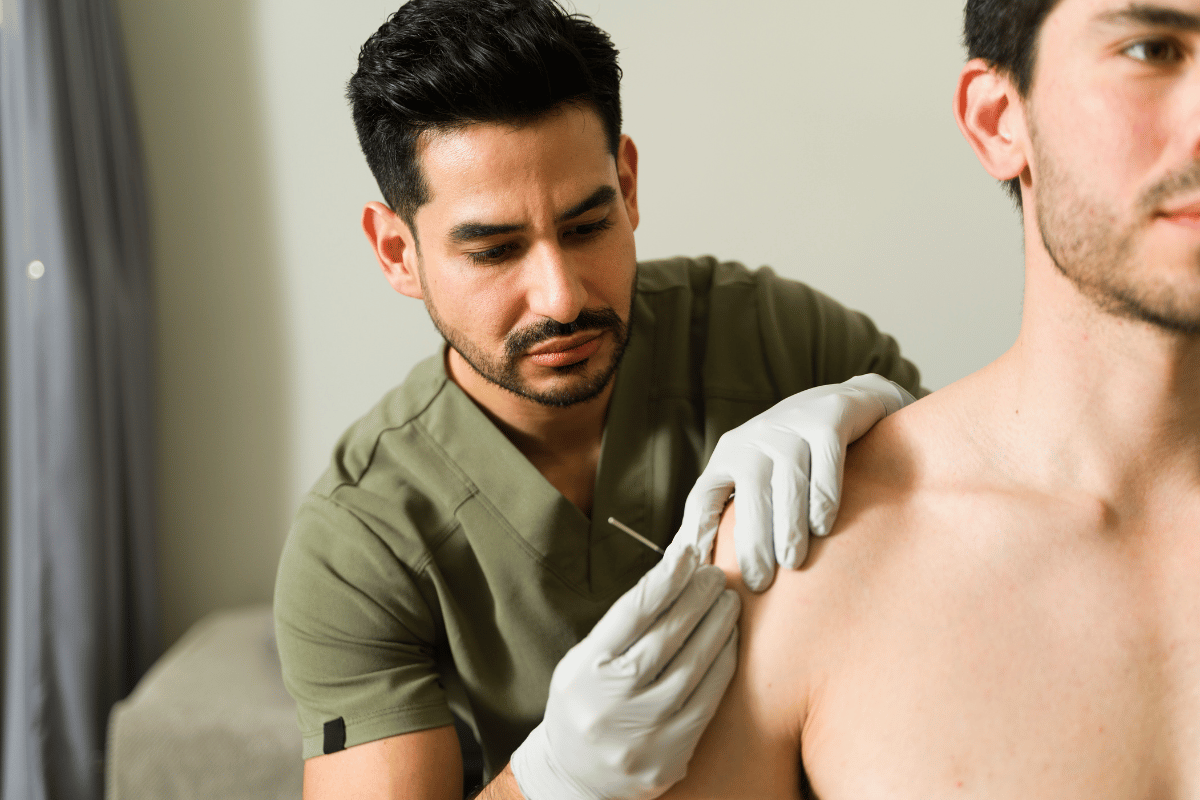
Dry needling is a modern physical therapy technique that involves inserting a thin, sterile needle into tight or painful areas of muscle. These tight spots are known as “trigger points.” When a trigger point becomes active, it can cause pain in one area or even refer pain to another part of the body.
The term “dry” means that the needle does not inject anything into your body. Instead, the simple act of placing the needle into the muscle helps release tension, improve blood flow, and calm irritated tissues.
Many patients are surprised at how gentle and effective dry needling can be. For most people, it feels like a quick muscle twitch, followed by a sense of relief.
How Does Dry Needling Work?
To understand how dry needling works, imagine a knotted muscle that refuses to relax. These knots can cause sharp pain, dull aches, stiffness, or limited movement. When a physical therapist inserts a needle directly into that knot, it helps the muscle “reset.”
Dry needling works by:
Releasing trigger points
Reducing muscle tension
Improving blood circulation
Decreasing inflammation
Helping the body activate its natural healing process
By relaxing tight muscles, dry needling allows surrounding tissues to move more freely. This makes your other physical therapy exercises more effective and promotes faster recovery.
Conditions Dry Needling Can Help Treat
Dry needling is used to treat a wide range of conditions. Physical therapists often use it to reduce pain and improve mobility for patients dealing with:
1. Chronic Pain
Conditions like back pain, neck pain, and shoulder pain often involve long-term muscle tightness. Dry needling helps loosen these tight areas and reduce discomfort.
2. Sports Injuries
Athletes often struggle with overworked muscles, strains, and tightness. Dry needling can help speed up recovery and improve performance.
3. Headaches and Migraines
Tight muscles in the neck and shoulders can trigger headaches. Dry needling releases these areas, reducing the frequency and intensity of headaches.
4. Muscle Spasms
Spasms happen when muscles tighten suddenly and painfully. Dry needling helps calm the muscle and prevent future episodes.
5. Joint Pain
Sometimes joint pain is actually caused by the muscles around the joint being too tight. Dry needling helps relax these muscles, which reduces pressure on the joint.
6. Tendonitis
Conditions like tennis elbow or jumper’s knee can benefit from dry needling, as it reduces irritation in the muscles connected to the tendon.
7. Postural Problems
Poor posture can cause muscle imbalances that lead to pain. Dry needling helps restore balance by releasing overworked muscles.
No matter what type of pain you’re experiencing, the therapists at New Moon Physiotherapy can determine whether dry needling is the right choice for your treatment plan.
Is Dry Needling the Same as Acupuncture?
While both techniques use thin needles, dry needling and acupuncture are not the same.
Here are the key differences:
Purpose: Dry needling focuses on releasing tight muscles and trigger points. Acupuncture focuses on restoring energy flow in the body.
Training: Dry needling is performed by licensed physical therapists trained in muscle anatomy and movement.
Approach: Dry needling targets specific muscles, while acupuncture targets traditional “meridian points.”
Both methods can provide relief, but dry needling is primarily used to treat musculoskeletal pain and movement issues.
What to Expect During a Dry Needling Session
If you’ve never tried dry needling, you may have questions about what the experience is like. Most patients find the treatment simple, quick, and highly effective.
Here’s what you can expect:
1. Evaluation
Your physical therapist will ask about your pain, movement, and medical history. They’ll examine the affected area and identify tight muscles or trigger points.
2. Treatment
The therapist will gently insert a thin needle into the trigger point. You may feel a small twitch or pressure, but most people describe it as mild and temporary.
3. Muscle Response
The muscle may contract or “jump” slightly. This is a normal response and means the needle found the trigger point.
4. Relief
After the twitch, many patients feel immediate or gradual relief as the muscle relaxes.
5. Aftercare
Some people feel mild soreness—similar to a workout—for a day or two. Drinking water, stretching, and staying active usually help.
Dry needling sessions are often paired with stretching, strengthening exercises, and manual therapy to maximize results.
Benefits of Dry Needling
Patients choose dry needling because it offers many powerful benefits, including:
Fast pain relief
Improved muscle flexibility
Better movement and mobility
Reduced inflammation
Faster healing from injuries
Enhanced performance for athletes
Reduced tension from stress or poor posture
For many people, dry needling becomes an important part of their recovery and long-term pain management.
Is Dry Needling Safe?
Yes. Dry needling is considered a very safe technique when performed by a trained physical therapist. At New Moon Physiotherapy, all treatments are done using sterile, single-use needles and proper medical procedures.
Your therapist will explain the process, answer your questions, and make sure you are comfortable every step of the way.
Who Should Avoid Dry Needling?
While dry needling is safe for most people, it may not be recommended for:
Individuals with certain bleeding disorders
Patients who are pregnant (depending on the area treated)
Those with a fear of needles
Patients with certain medical conditions
Your therapist will talk with you about your health history to determine if dry needling is right for you.
How Dry Needling Works with Physical Therapy
Dry needling is most effective when combined with a full physical therapy plan. At New Moon Physiotherapy, your therapist may combine dry needling with:
Strengthening exercises
Stretching routines
Hands-on manual therapy
Postural training
Movement retraining
Home exercise programs
Using these methods together provides better, longer-lasting results.
Find Relief with Dry Needling at New Moon Physiotherapy
If muscle pain, tension, or stiffness is interfering with your life, dry needling may be the solution you’ve been looking for. This safe and effective technique can help reduce pain, improve movement, and support your overall recovery. At New Moon Physiotherapy in Baltimore, our trained physical therapists use dry needling to help patients feel better and move better every day.
Don’t let pain control your life—take the first step toward relief. Call us today at (443) 653-2904 to schedule your appointment and learn how dry needling can help you feel your best.